Imagine you are a sole trader or small business owner.
You rely on a double cab pickup (DCPU) for work, perhaps to transport tools, materials, or team members.
The Budget has introduced tax changes that could make owning one far more expensive from 2025. Does that mean you should act now?
What is a DCPU?
Think of a DCPU as a hybrid between a workhorse and a people carrier.
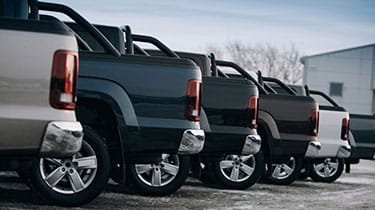
It has a front cab, a second row of seats for up to four passengers, and an uncovered pickup bed at the back.
Crucially, it boasts a payload capacity of at least one tonne, which currently qualifies it as a commercial vehicle for tax purposes.
Landscapers, builders, and tradespeople often swear by them for their practicality and versatility.
What is changing?
Right now, DCPUs enjoy tax perks typically reserved for commercial vehicles. These include:
But starting from April 2025 (Corporation Tax) or 6 April 2025 (Income Tax), DCPUs will be taxed as cars. What does this mean?
Should you buy or lease a DCPU now?
It is tempting to say yes, but these considerations need to be taken:
Consider whether buying outright or leasing makes more financial sense for your situation.
Leasing offers flexibility, but avoid contracts running past 2029 when the new rules will eventually apply to all vehicles.
What about private use?
If the DCPU is used for personal journeys, the tax costs will rise sharply under the new rules.
Keeping its use strictly work-related could help mitigate BIK charges.
However, stricter controls around private use, similar to those for cars, may not be practical for every business.


