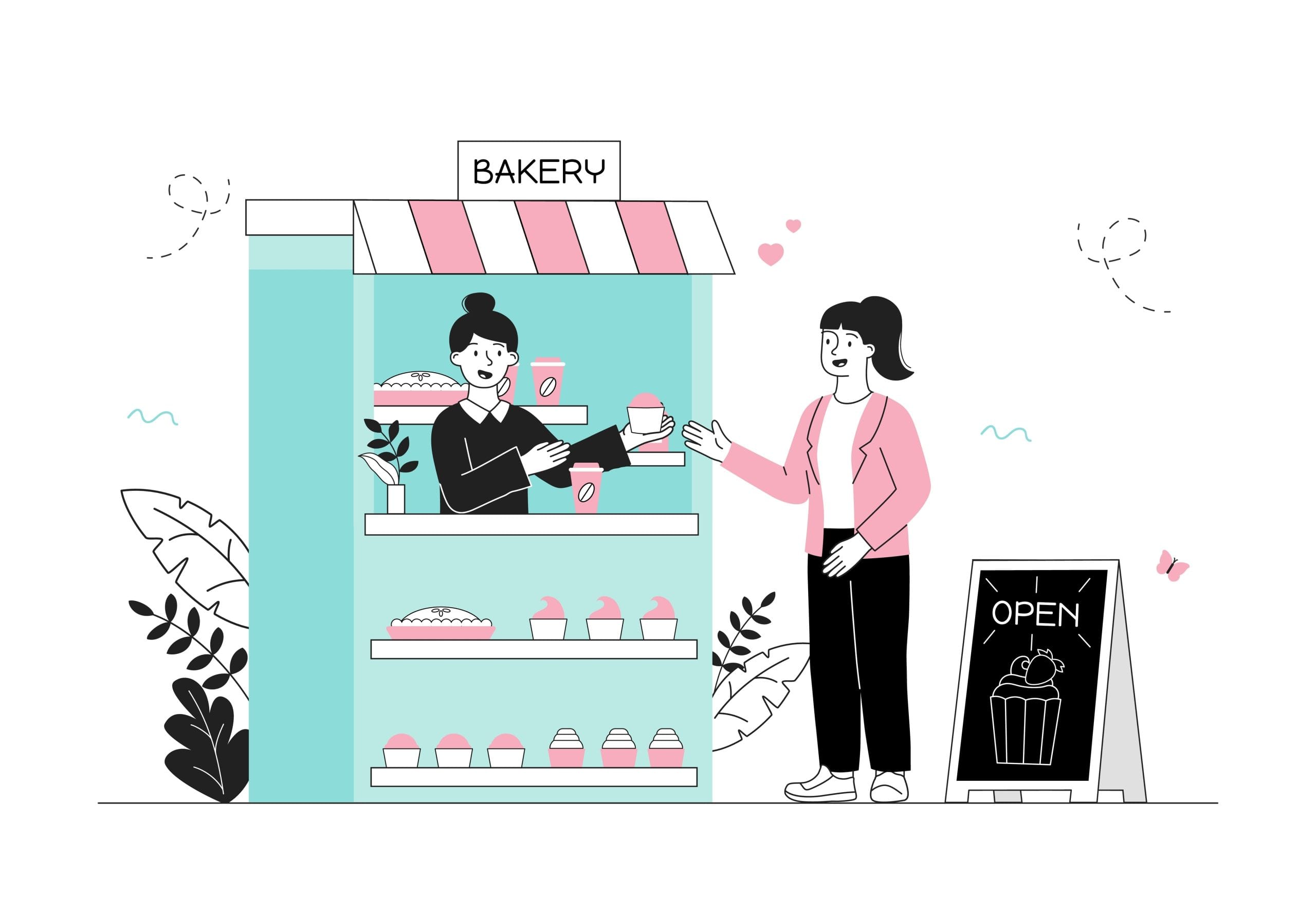
Following the latest Facebook trend? If you’ve started selling cakes, brownies or homemade bread from a shed in your front garden, you may need to pay tax on what you earn.
Honesty boxes have been a familiar part of British life for years, but there is now a new trend taking over social media. Small sheds and honesty stands are appearing outside people’s homes, packed with homemade treats for the local community.
While it might seem like a simple way to make some extra money, cake shed owners need to be aware that their earnings could be taxable. Failing to meet your tax obligations could result in fines and penalties from HMRC.
If you start trading through a cake shed, you may need to register as self-employed and complete a Self Assessment tax return depending on how much you earn.
If your gross income from trading is more than £1,000 in a tax year, you may have tax obligations to consider.
For those earning between £1,000 and £3,000, there is now a simplified digital service that can be used to report income rather than completing a full Self Assessment tax return.
If your gross income is £1,000 or less, the Trading Allowance may mean that you do not need to register or report the income. This allowance allows you to earn up to £1,000 in gross trading income alongside your usual income.
At the other end of the scale, if your cake shed becomes particularly successful and your taxable turnover goes above the VAT registration threshold, you may also need to register for VAT and charge VAT where applicable.
Many people who start a side hustle have previously only worked in PAYE employment, where their employer takes care of their tax automatically.
Once you start earning additional income, it becomes your responsibility to understand what tax you owe and make sure you meet your reporting requirements.
The first thing to do is work out your gross income. This is the total amount you earn from your side hustles before allowable expenses are taken into account.
If your gross trading income is £1,000 or less, you generally do not need to register or report it.
If your gross income is between £1,000 and £3,000, you may have tax to pay but you may not need to complete a full tax return. Instead, you can use the relevant HMRC online service to report your income.
If your gross income is more than £3,000, you may need to register as a sole trader, sign up for Self Assessment and complete a tax return each year.
A lot of cake shed owners may not realise that their earnings could be taxable. However, HMRC has various ways of checking whether income is being properly reported.
Missing the Self Assessment deadline or failing to pay tax can result in fines and penalties, with some penalties increasing the longer they remain unpaid.
Even where no tax is owed, failing to submit a required Self Assessment tax return can still result in a penalty.
If tax remains unpaid for a prolonged period, HMRC may also seek payment of tax owed from previous years.
HMRC can use data and information from different sources to identify potential discrepancies between declared income and financial activity.
In cases involving deliberate and significant tax evasion, further investigation and prosecution may also be possible.
The best way to make sure you are meeting your tax obligations is to speak to an accountant.
We can help you understand your tax position, make the most of any allowances available to you and ensure you are meeting your reporting requirements.
Our team can also support you with your Self Assessment tax return and help you stay on the right side of the rules.
If you have started a cake shed and need advice on how to stay compliant, get in touch with our team.


