Business owners are under increasing pressure to tackle rising costs and meet higher demands from clients and customers.
Automation is viewed as a way of streamlining processes so that businesses can be more efficient and enhance their offerings.
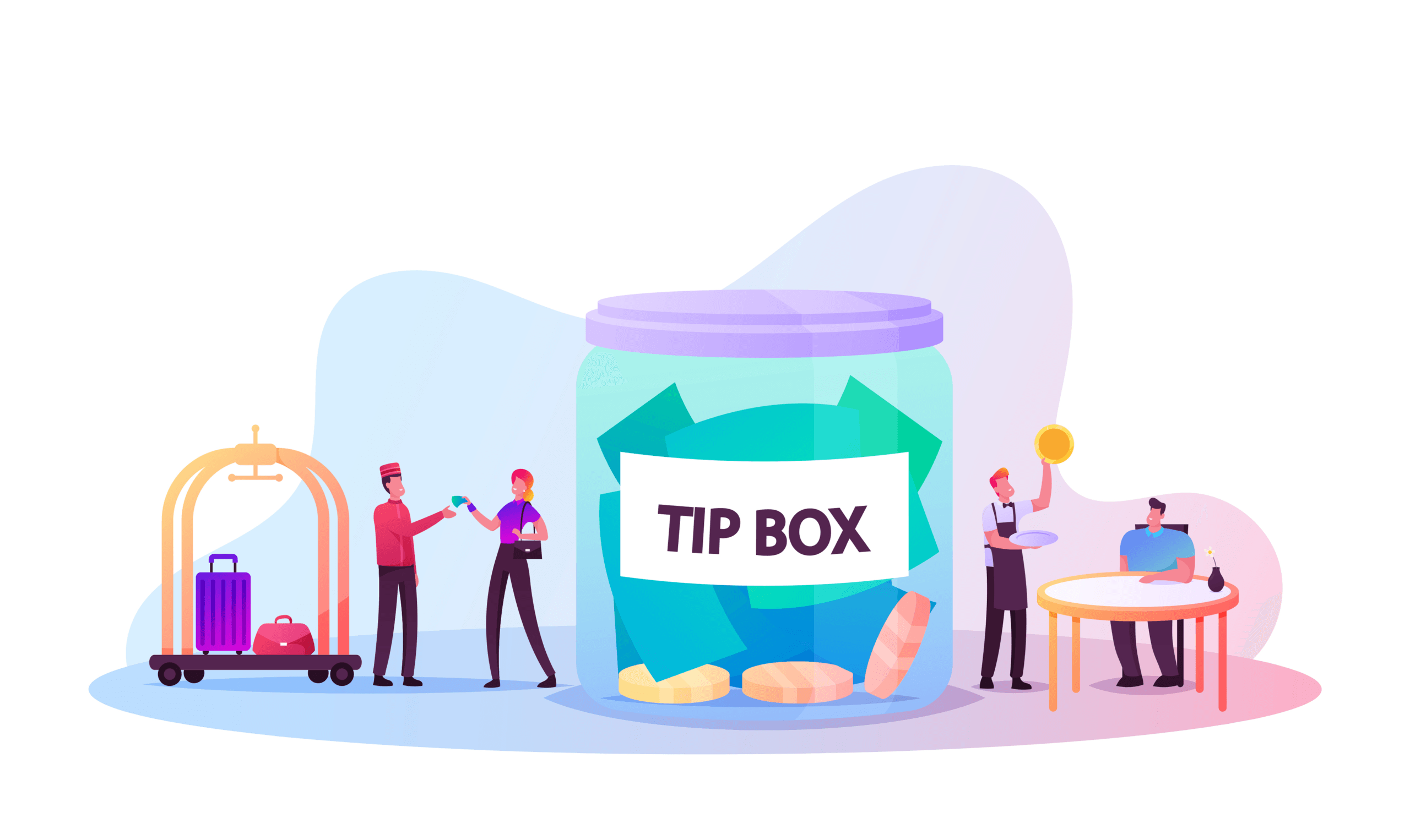
However, the rise in automated tip requests is causing some friction between businesses and customers, so the utilisation of these systems needs to be carefully considered before your finances take a hit.
The way in which automation impacts your business will largely depend on what you do and how you manage relationships with clients and customers.
Business to Business (B2B) services typically benefit from a broad spectrum of automation as the professionals served by the transaction are also under similar pressures and may understand the benefits of the approach.
A more nuanced picture is found with Business to Customer (B2C) operations as while automating some tasks, particularly those involving suppliers, can be beneficial, customers may have a different view on matters.
This has manifested in a debate around the automatic requests for tips that are becoming a more frequent feature for many businesses and is changing the way that customers interact with services.
Tipping has not been widespread in the UK, unlike in other parts of the world, so its increased presence is notable and not without issue.
Knowing how and when to implement automated tipping, or taking action if it has been implemented without your knowledge, is important if you want to align your business with your customers.
Many payment systems utilise technology imported from countries where tipping is standard, so these devices display a range of tipping options as well as an option to decline.
There are instances where these can help customers be more generous as they do not have to think about tipping beyond a simple button press.
However, where staff have had relatively low engagement with customers, the presence of tipping options could upset customers and harm the relationship that would otherwise be built by the service provided.
There is also a consideration of how to stay compliant with the law.
All tips are the property of employees and this must be managed through a company policy that is managed by the dedicated troncmaster as per the Employment (Allocation of Tips) Act 2023.
Tips cannot be used to supplement wages below the legal minimum, but they will need to be processed through payroll.
As the issues of automation and tipping are nuanced, businesses should base policy decisions around the financial position of the company and what is likely to pave the way for growth.
Our expert team can support you with this by reviewing your budget and using financial forecasting to determine effective strategies for growth.
We can help you stay compliant with legislation around tipping while also considering effective ways to generate revenue and compensate employees so that tips are not plugging any gaps.
A strong financial awareness means you can continue to engage with customers in the way that is most beneficial for you both, whether that includes automatic tips or not.
Get in touch for our expert support on managing tips and other accounting matters for your business.


