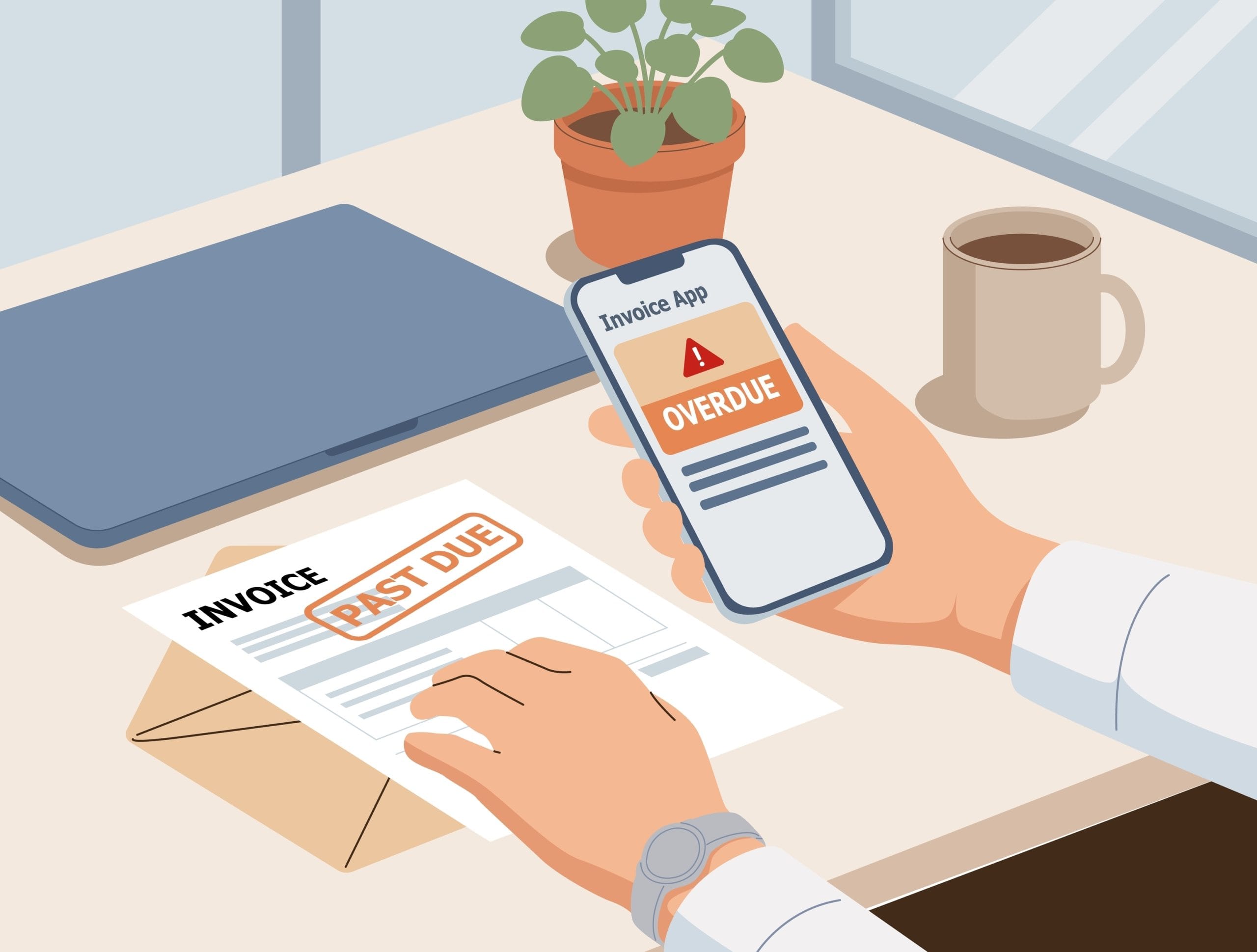
New research from online accounting platform Sage has found that £11 billion a year is drained from the UK economy by late payments.
Almost half of SME invoices (49 per cent) miss their due date, leaving firms waiting 27 days on average past the invoice date before the money lands.
That gap matters more than ever right now, as SME profits rose 7.4 per cent in the year to the first quarter of 2026 – the fastest growth since 2022 – yet much of that success is being tied up in invoices still waiting to be paid.
Can the Government tackle late payments?
Late payment has been a recurring headache for SMEs for years, with one government after another pledging to clamp down on it.
This time, the promised fix takes the form of the Small Business Protections Bill, more commonly referred to as the Commercial Payments Bill, which places a legal obligation on large companies to pay their smaller suppliers within set timeframes.
Among the measures set to come into force:
Alongside this, the Small Business Commissioner is set to gain expanded authority, with the power to look into poor payment behaviour and issue fines to the most persistent offenders.
It all sounds promising, yet plenty of people are questioning whether these measures go far enough, or arrive quickly enough, given the scale of what SMEs are up against.
Some scepticism is warranted. A 60-day limit still falls well short of best practice, considering public sector bodies are already held to a stricter 30-day maximum.
Don’t wait for the law to change, act now
If your working capital is already being squeezed by late payers, sitting tight until the Bill takes effect isn’t really an option.
The first step is taking a fresh look at how your business handles credit control and what payment terms you currently have in place.
Get invoices out the door quickly and follow up sooner rather than later, using automated reminders where possible.
Every day an invoice sits unsent is another day tacked onto how long you’ll wait to be paid.
Running credit checks on both new and existing clients before agreeing terms is also a sensible precaution, helping protect your own cashflow from unnecessary risk.
Don’t forget either that the right to charge statutory interest on overdue commercial payments already exists under current legislation, well before the new Bill comes into play, meaning there’s nothing stopping you applying it now.
It’s natural to feel hesitant about pressing important clients on overdue payments, particularly when the relationship matters, but if it’s putting genuine pressure on your business, it may be time to reconsider how valuable that relationship really is.
The reforms set out in the Bill are a step in the right direction, but if late payments are already creating difficulties for your business, our team is here to help.


