The Autumn Equinox has concluded and the nights are getting longer, bringing with them the colder temperatures that are a sharp departure from the searing summer.
Although illness rates peak during the winter, the start of a new school year leaves parents and those who commute on public transport exposed to a plethora of germs.
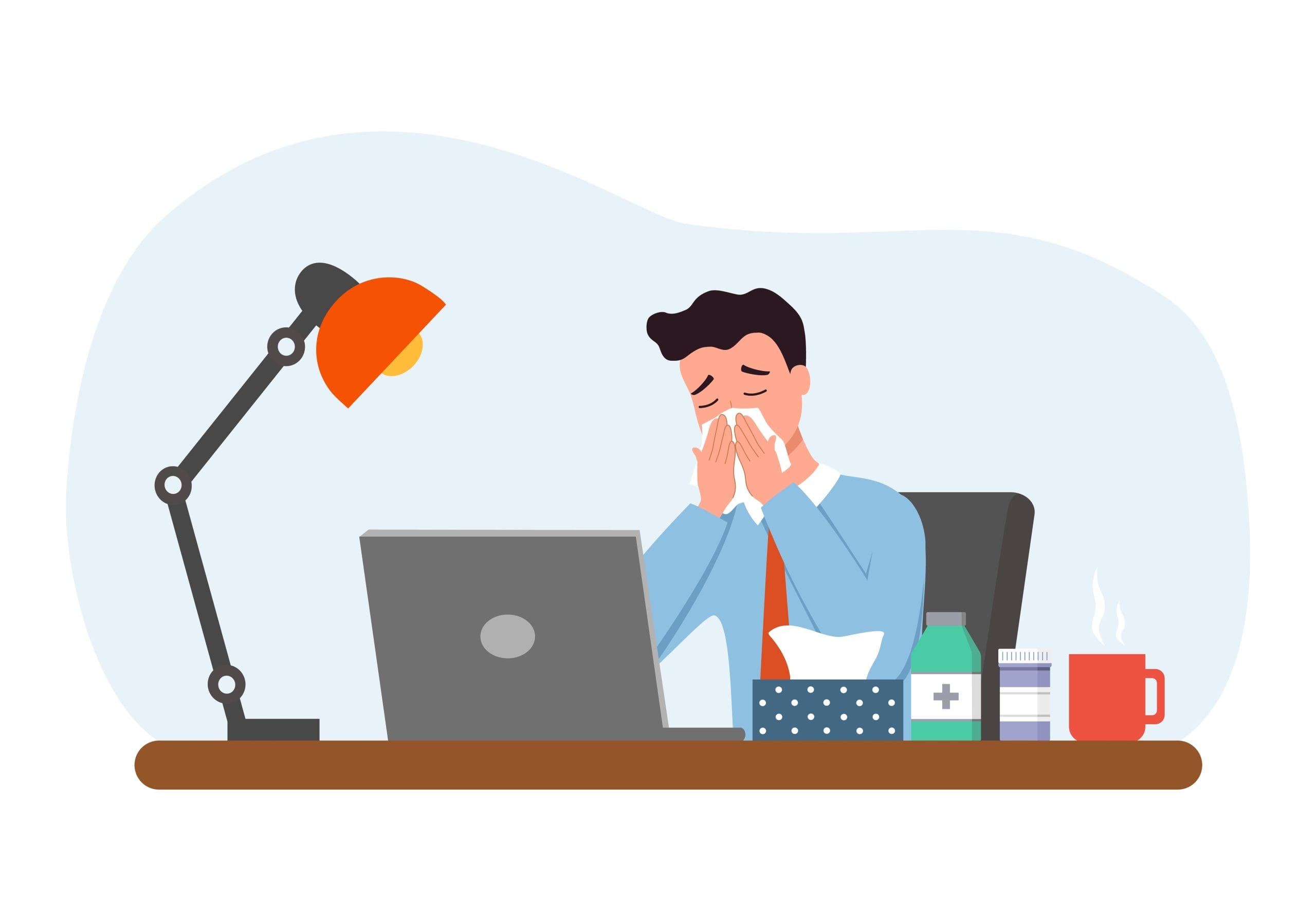
Employee illness is inevitable and while a culture of powering through has become a defining trait of the UK workforce, a sharp loss of productivity may leave businesses wishing more people phoned in sick.
It might seem obvious to those running a business that sick days would be the place where illness eats into the profitability of the company, but the reality is quite different.
The Institute for Public Policy Research (IPPR) found in 2024 that employees lose the equivalent of 44 days’ productivity on average due to working through sickness, up from 35 days in 2018.
This is in stark contrast to the increase from 3.7 days to 6.7 days lost to taking sick leave in the same period.
The depth of disparity between the days lost is the reason why businesses are losing more productivity to illness than they truly realise.
£30 billion more is being lost than in 2018, with working through illness accounting for £25 billion of the loss increase compared to the £5 billion rise from sick days.
As this risk to productivity often goes undetected, workplaces have rapidly become environments in which people attempt to engage in work no matter what their condition.
Nearly half of all people in the UK go into work when they are sick in an act known as workplace presenteeism and it may be that the rise of hybrid and remote work has made this easier.
Employees may have once felt bad about irritating colleagues with constant sniffing and remote work allows people to blow their nose as many times as they need without distracting anyone else.
This could explain why the Office for National Statistics (ONS) found that workers aged 16 to 24 took an average of 2.4 days off sick last year, compared to 6.2 days for those aged 50 to 64.
Knowing that employees taking a sick day may save a business money in the long term could cause employers to reconsider their approach to supporting staff.
The recent changes to Statutory Sick Pay (SSP) were designed to remove some core barriers employees faced when taking sick days and this is the first winter with these rules in effect.
More employees have access to SSP due to the removal of the Lower Earnings Limit (LEL) and SSP must now be paid from the first day of absence.
While employees no longer face unpaid time away from work, the difference between SSP and their usual earnings may continue to inspire some to persist with their work.
SSP is the lower of either 80 per cent of the employee’s average weekly earnings or the prevailing SSP flat rate set by the government – £123.25 per week for the 2026/2027 tax year.
Rising bills may mean that employees cannot afford a reduction in their salary, so it could be worth considering whether more can be paid than the SSP.
This will not be in every business’s budget and finding alternative ways to support employee health and wellbeing may be more cost-effective in the long term.
Private health insurance and flexible working conditions could allow employees to take better care of their needs, preventing minor issues from escalating and helping them be more resilient to illness.
Having an expert accountant support your approach can help you to determine what strategies best suit your workplace and your employees.
Our team can review your budget, creating clear financial forecasts that allow you to observe the cost of wellbeing methods compared to the potential loss of productivity that can come from illness.
For expert support in keeping your productivity healthy over winter, get in touch with our team.


